
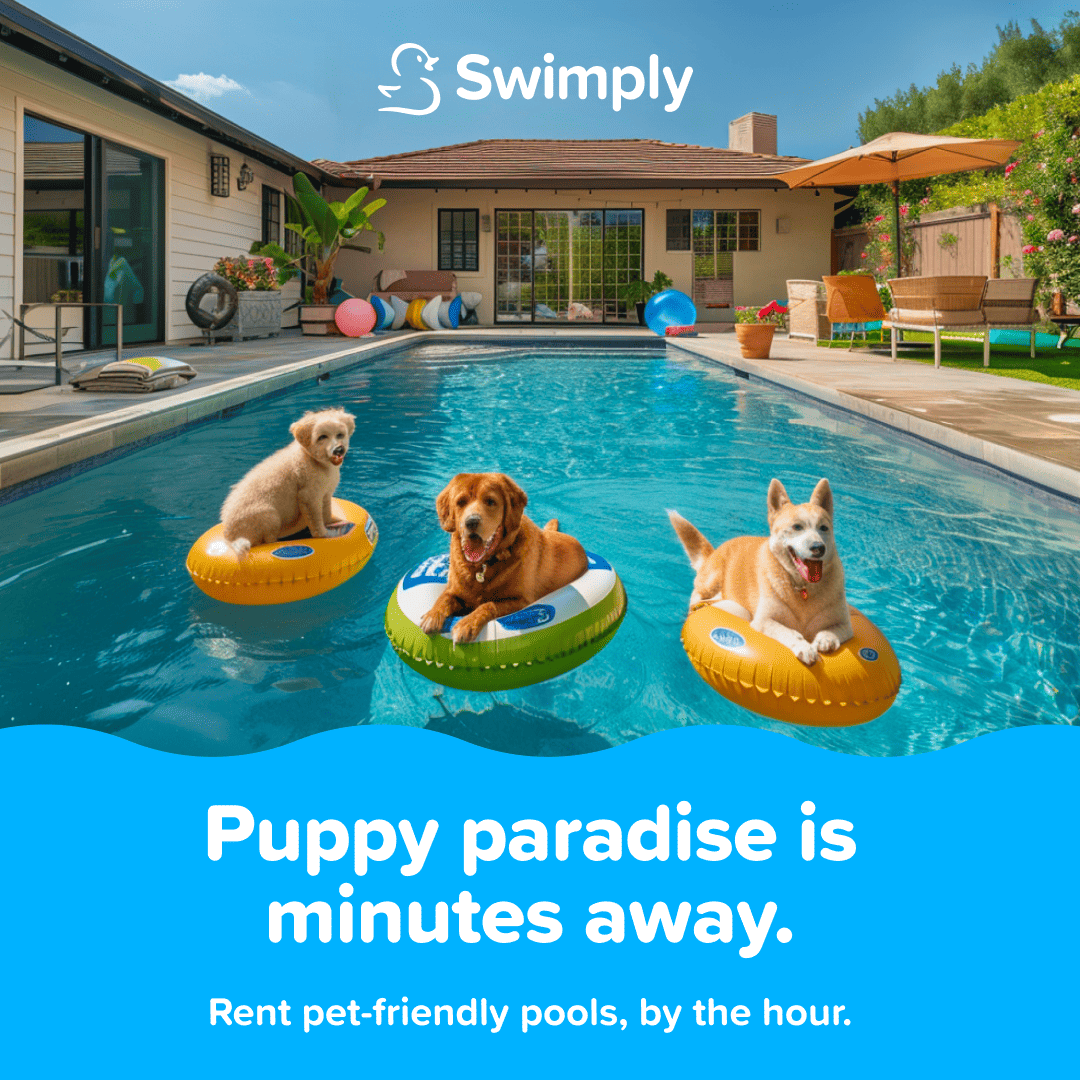
Some dogs run toward the water the second they see it. Others stand at the edge with one paw raised, unsure whether this is a good idea. Either way, most dog owners hit the same problem once summer arrives: finding a safe, legal, and stress-free place for their dog to swim.
Lakes can have strong currents, algae, or rules against dogs. Public pools almost never allow them. Dog beaches can be crowded and chaotic, which is not much fun if your pup is shy or still learning. That is why more owners are turning to dog-friendly pools they can rent privately by the hour. This guide explains how it works, how to choose the right space, and how to make the day fun and safe for both of you.
Why Finding a Place for Your Dog to Swim Is Harder Than It Looks
On paper, giving your dog a swim sounds simple. In real life, it usually involves a lot of “maybe.” Maybe the lake is clean. Maybe the other dogs will be friendly. Maybe nobody will mind if your dog jumps in.
Open water comes with real risks. Currents, sudden drop-offs, blue-green algae, and boat traffic can turn a relaxing afternoon into an emergency. Dog parks with water features can be great, but they are shared spaces, and a group of overexcited dogs can overwhelm a nervous one very quickly. Even backyard pools belonging to friends are not always an option, since not everyone wants a wet, muddy dog running through their garden.

A private, dog-friendly pool solves most of these problems. You know the water is maintained, the space is enclosed, and nobody else’s dog will surprise yours. That predictability matters, especially for dogs who need a calm introduction to water.
What Makes a Private Dog Pool So Different
The biggest advantage is privacy. When you rent a pool by the hour on Swimply, you book the entire space, which means your dog swims without any other dogs around. For a dog that is anxious around strangers, reactive on leash, or recovering from an injury or surgery, that quiet setting can make all the difference.
Think about the dogs who benefit most from this kind of setup:
- Nervous first-timers who need to learn that water is not scary
- Senior dogs whose joints feel better in low-impact swimming
- Reactive dogs who struggle around other animals
- Rescue dogs who are still learning to trust new places
- High-energy breeds who need a safe way to burn off steam
Because the space belongs to you for the whole booking, you can move at your dog’s pace. There is no pressure to keep up with a crowd and no need to leave early because things got chaotic.
How Swimply Handles Dog-Friendly Pools
Swimply lists dog-friendly pools and pet parks in more than 150 cities across the U.S., Canada, and Australia. If you want to see what is available near you, the easiest way is to head to the pet section and browse from there.
Look for listings marked Pet Swim. These are set up specifically for dogs, so you are not guessing whether the host will be comfortable with a wet retriever making a splash. You can also filter for dog-friendly pools in your area if you want to compare more options.
Every host sets their own pet policy, and it is shown on the listing before you book. Some hosts charge a small additional pet fee, while others include pets in the standard rate. You will also see any rules about where dogs are allowed, whether they need to stay out of certain areas, and what you are expected to clean up afterward. Reading this section carefully takes two minutes and prevents awkward surprises later.
Step 1: Decide What Kind of Dog Swim You Want
Before you start browsing, think about what your dog actually needs. A dog who loves fetch has different needs from one who just wants to paddle around slowly.
If your dog is a confident swimmer, look for a pool with plenty of open space and a clear entry point. A wide shallow area or a set of steps helps dogs climb in and out easily. If your dog is a beginner, look for a gentle entry, ideally steps or a ramp, and photos that show a shallow section where they can build confidence.
Size matters too. A small pool is perfect for a little dog or a quiet introduction, while larger breeds may appreciate more room to move. Look through the photos and check the description for the pool’s dimensions and layout.
Finally, think about who is coming. If you plan to bring friends and their dogs, make sure the listing allows multiple pets and check the guest limits. Every pool has its own limit, so confirm the number before you invite anyone.
Step 2: Read the Listing Before You Book
The listing tells you almost everything you need to know. Take a few minutes to read it carefully, especially the sections on pets, rules, and amenities.
Check the pet policy first. It will tell you whether dogs are welcome, whether there is an extra fee, and whether any size or breed limits apply. Then look at the amenities. Restroom access is listed on every profile, and about 95 percent of Swimply listings offer it, which is handy for you after a long afternoon. Shade, seating, and a nearby patio can also make the day more comfortable, especially on hot afternoons.
It also helps to see how the host runs the experience. Some hosts stay home and greet you, while others leave you completely on your own. If you would like a self-serve experience, you can message the host and ask. If you have questions about your dog, such as whether the yard is fully fenced, this is the best time to ask.
Lastly, look at the weather policy. Many hosts offer refunds or reschedules for bad weather, which is useful when you are planning around a dog who might not enjoy a storm.
Step 3: Book the Space
Booking is straightforward. Choose your date and time, then click Book Now. Listings with the Instant Book icon are confirmed right away, which works well if you want to swim the same day. Others require host approval, and you will usually hear back within 24 hours. You are only charged once the booking is confirmed.
Once you are confirmed, you will receive the address, entry and exit instructions, and any other details you need. Save these somewhere easy to find, and read them again the night before so nothing surprises you on the day.
Pricing is simple too. Most Swimply pools cost between $25 and $100 per hour, with the majority around $30 to $60. A typical one-hour or two-hour dog swim is often more affordable than people expect, especially because the price covers the whole space rather than a fee per pet.
Step 4: Pack for a Dog Swim Day
A little preparation makes the day smoother. Here is a practical list of what to bring.
- A dog life jacket. Even strong swimmers can tire quickly, and some breeds with short legs or heavy chests have a harder time staying afloat. A well-fitted life jacket adds a layer of safety and gives beginners extra confidence.
- Fresh drinking water and a bowl. Dogs can swallow pool water while playing, and fresh water helps keep them hydrated.
- Towels. Bring more than you think you need. Wet dogs shake, roll, and find every dry surface.
- Treats and favorite toys. Floating toys work best. Treats make great rewards for brave first steps.
- Poop bags. Pick up after your dog and dispose of waste properly. It keeps hosts happy and future guests welcome.
- A leash and ID tag. Even in a private space, keep your leash handy for arrival and departure.
- A rinse bottle or hose access. Ask the host in advance if there is a spot where you can rinse your dog after swimming.
- A blanket or crate for the car ride home. Your seats will thank you.
Step 5: Introduce Your Dog to the Water the Right Way
Not every dog is a natural swimmer, and that is completely normal. Some breeds were built for water, while others have short legs, flat faces, or heavy builds that make swimming harder. Whatever your dog’s style, the goal is to keep the experience positive.
Start slowly. Let your dog sniff around the pool area and get comfortable before going anywhere near the water. Walk the edge together, and let them approach on their own terms. If there are steps, encourage your dog to walk in gradually, rewarding each small victory with a treat or praise.
Never throw a dog into the water or force them to swim. That can create a lasting fear that is hard to undo. Instead, get in the shallow end yourself if you can. Many dogs feel braver when their person is close by. Let them paddle toward you, then celebrate.
Keep the first session short. Fifteen or twenty minutes of gentle swimming is plenty for a beginner. Watch for signs of tiredness, such as slower movement, heavy panting, or struggling to keep their head up. When in doubt, take a break and let your dog rest on dry ground.
Step 6: Keep Safety at the Top of Your List
Even in a calm private pool, safety comes first. Dogs can tire quickly, and pool walls can be tricky, so you need to keep a close eye on your pet the entire time.
Make sure your dog knows how to find the exit. Show them the steps repeatedly, and guide them there if they seem confused. Dogs can get disoriented in the water, especially in pools with steep sides and no obvious exit. Never leave your dog unattended near the water, not even for a moment.
Be careful with the weather too. On hot days, concrete and pool decks can burn paws, so bring a mat or stay on shaded areas. Give your dog frequent water breaks and plenty of shade so they do not overheat.
After swimming, rinse your dog with fresh water if you can. Chlorine and other pool chemicals can irritate skin and eyes, and rinsing helps keep your dog comfortable. If your dog has any health concerns, such as joint issues, ear problems, or a heart condition, talk to your vet before starting a new swim routine. They can tell you what is safe and how long each session should be.
The Health Benefits of Swimming for Dogs
Swimming is not only fun. It is also one of the gentlest ways for dogs to exercise. The water supports their weight, which takes pressure off the joints, so it is especially popular with older dogs, overweight dogs, and dogs recovering from certain injuries under a vet’s guidance.
For high-energy dogs, swimming is a great way to burn off extra energy without hours of running. A short swim session can tire a dog out just as well as a long walk, and it gives them mental stimulation too. Many owners find that a swim day leaves their dog calmer and happier at home.
It also builds trust. When your dog learns that you will keep them safe in the water, your bond gets stronger. Those quiet, shared moments in the pool often become the highlight of the summer.
Fun Ideas for Your Private Dog Swim Day
Once your dog is comfortable, there are plenty of ways to make the day even better.
Fetch in the water. Floating toys, like a ball or a soft disc, make excellent swim games. Start with short throws close to the steps, then move farther out as your dog gains confidence.
A puppy pool party. If the listing allows multiple pets, invite a few dog friends who already get along. Keep the group small and supervised so everyone has room to play safely.
A birthday swim. Celebrating your dog’s birthday at a private pool sounds silly until you see how happy they are. Bring a dog-safe cake, take plenty of photos, and let your pup be the guest of honor.
A training session. Water can be a great classroom. Practice recall, “stay,” and calm entries, and reward your dog for good behavior.
A relaxed family day. Not every dog wants to swim all day. Bring chairs, snacks, and books for the humans, let your dog explore at their pace, and enjoy the sunshine together.
Being a Great Guest With Your Dog
Hosts open their space to you, and a little courtesy goes a long way. Follow the house rules, arrive on time, and keep the area clean. Pick up after your dog, wipe down anything that gets muddy, and leave the space the way you found it.
It also helps to keep barking and noise reasonable, since you are visiting someone’s neighborhood. If your dog gets overexcited, take a short break and let them settle down. Leaving a good review afterward helps hosts and future guests, and it keeps dog-friendly pools available for everyone.
Frequently Asked Questions
Can I rent a pool just for my dog?
Yes. Swimply has listings marked Pet Swim that are set up specifically for dogs, and you can also filter for dog-friendly pools in your city.
Will other dogs be there?
No. Because you book the whole space by the hour, your dog swims privately with no other dogs around unless you bring them yourself.
Do I have to pay extra for my dog?
It depends on the host. Pet policies and any additional pet fees are listed on each listing before you book.
How much does it cost?
Most pools cost between $25 and $100 per hour, with the majority around $30 to $60. The price is for the whole space, not per guest.
Can I book a dog swim last minute?
Yes. Many pools offer Instant Book, so you can reserve and swim on the same day.
What if the weather is bad?
Check the listing’s weather policy. Many hosts offer refunds or reschedules when the weather does not cooperate.
Ready to Find a Dog-Friendly Pool Near You?
Your dog does not have to wait for a lucky invitation to a friend’s backyard. With a little planning, you can give them a calm, private, and truly fun swim day, no matter what kind of swimmer they are.
Ready to get started? Explore dog-friendly pools and pet parks on Swimply, compare listings in your city, and book a space by the hour. Grab the towels, pack the treats, and get ready for the best splash of the summer.
